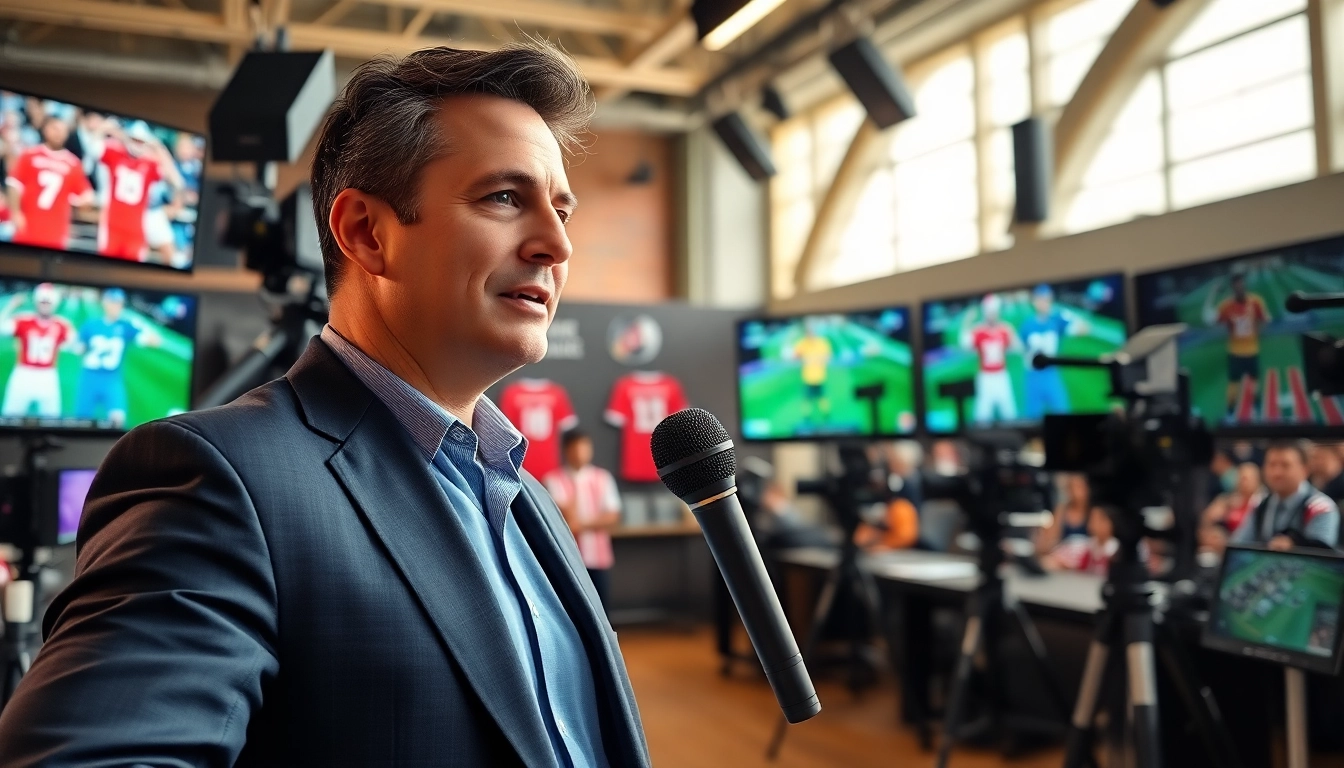

Understanding the Landscape of Sports Broadcasting
The Evolution of Sports Broadcasting
Sports broadcasting has come a long way since its inception. Initially, it began with radio broadcasts relaying play-by-play accounts of games, relying solely on the announcer’s voice to capture the action. Over the decades, television revolutionized the industry, allowing fans to experience the excitement of live sporting events visually. Innovations continued with the introduction of cable networks, bringing a variety of sports to viewers‘ homes, followed by the rise of satellite TV, which expanded access even further.
Today, advancements in streaming technology have transformed the sports broadcasting landscape yet again. Platforms like OTT (Over-The-Top) services allow fans to stream games live on-demand, creating new opportunities for broadcasters and enhancing viewer engagement. The advent of mobile apps also plays a crucial role, keeping fans connected to their favorite sports anytime, anywhere. As an evolving industry, Sports Broadcasting continues to adapt to the needs and preferences of modern audiences.
Current Trends in Sports Broadcasting
Several trends are shaping the current state of sports broadcasting. Firstly, the integration of virtual and augmented reality creates immersive experiences, allowing viewers to engage in entirely new ways. Networks are experimenting with offering 360-degree views during broadcasts, granting fans a unique perspective on the action.
The rise of social media has also profoundly impacted sports broadcasting. Broadcasters leverage platforms like Twitter, Instagram, and TikTok to engage with younger audiences, fostering community around sporting events. Additionally, user-generated content is becoming a staple of broadcasting, allowing fans to share their experiences and opinions, which broadcasters can incorporate into their coverage.
Another significant trend is the focus on analytics and data-driven insights. Broadcasters are using advanced metrics to enhance commentary, provide deeper insights into player performances, and create richer storytelling during games.
Challenges Facing Sports Broadcasters
Despite the advancements in technology and the increasing demand for sports content, sports broadcasters face several challenges. One major issue is the fragmentation of viewership. With audiences now consuming sports through various platforms, reaching and engaging fans has become more complex. Broadcasters must adapt their strategies to provide content across multiple channels, often necessitating partnerships with tech companies to enhance distribution.
Additionally, technological developments come with high costs, requiring investments in new infrastructure and training for staff. Keeping up with trends, including the shifts towards virtual reality and interactive content, can strain budgets.
Lastly, the competitive landscape is intensifying as companies vie for broadcasting rights and audience attention. As a result, broadcasters must continuously innovate and differentiate their offerings to capture and maintain viewer loyalty.
Essential Skills for Sports Broadcasting Professionals
What Makes a Great Sports Broadcaster?
A great sports broadcaster embodies a unique blend of skills tailored to the demands of the industry. At the core, they possess a deep passion for sports, which fuels their enthusiasm and authenticity during broadcasts. This passion translates into knowledge; they are informed about players, teams, and statistics, allowing for engaging and insightful commentary.
Moreover, a successful sports broadcaster is adaptable, capable of thinking on their feet in fast-paced environments where critical decisions must be made quickly. Effective interpersonal skills are also vital, as building rapport with players, coaches, and audiences enhances the overall viewing experience.
Developing Effective Communication Skills
Communication is paramount in sports broadcasting. Broadcasters must convey information clearly and engagingly while maintaining pacing that matches the action. This skill includes not only verbal communication but also non-verbal cues, such as tone and body language, which can enhance their storytelling.
Practicing public speaking, taking courses on effective communication, and reviewing recorded broadcasts are excellent methods for improvement. Additionally, receiving constructive feedback from peers and audience members can significantly refine a broadcaster’s delivery and engagement techniques.
The Role of Research in Sports Broadcasting
Research is the backbone of compelling sports broadcasting. A well-prepared broadcaster enters the booth equipped with facts, statistics, and background stories that add depth to the narrative. They should follow current developments related to teams, players, and leagues, and gather pertinent data to support their commentary.
Utilizing various sources, such as databases, news articles, and statistical platforms, ensures broadcasters stay informed. Understanding the emotional contexts of games, such as rivalries or significant player milestones, allows them to craft richer, more engaging narratives that resonate with viewers.
Technology’s Impact on Sports Broadcasting
Emerging Technologies in Sports Broadcasting
The influence of technology on sports broadcasting cannot be overstated. Advanced graphics systems enable the integration of real-time statistics, player tracking, and enhanced visuals during live broadcasts. This technology not only captivates viewers but also provides critical insights that enrich the viewing experience.
Streaming technology has simplified access to sports content significantly. The ability to view games on various devices increases audience reach and engagement, as people can enjoy sports anytime, anywhere. Virtual and augmented reality are unlocking new experiences, letting fans immerse themselves in the action like never before.
Utilizing Social Media for Engagement
Social media plays a formidable role in sports broadcasting, shaping how audiences engage with content. Broadcasters can use platforms like Twitter to provide real-time updates, share highlights, and interact with fans, creating a two-way dialogue. This engagement helps foster a sense of community and loyalty among viewers.
Live-tweeting games or creating shareable content can significantly increase audience interaction. For example, broadcasters often initiate polls and discussions about game predictions, amplifying engagement further during and after broadcasts.
Analyzing Viewer Metrics and Feedback
Understanding viewer metrics is crucial for any broadcaster aiming to refine their strategy and offerings. Broadcasting teams should leverage analytics tools to monitor viewer preferences, peak viewing times, and engagement levels with content.
Feedback mechanisms, such as surveys or social media interactions, provide invaluable insights into audience perceptions. By analyzing this data, broadcasters can adapt their content strategies to better align with viewer expectations, ultimately leading to sustained growth in viewership and loyalty.
Creating Compelling Sports Broadcasting Content
Crafting Engaging Commentary
Effective commentary is the heart of sports broadcasting. It’s essential to balance excitement and analytical insight, ensuring viewers remain engaged. Broadcasters should practice delivering their lines passionately while maintaining clarity and coherence, avoiding jargon that may alienate casual viewers.
Incorporating storytelling elements can enrich commentary. Instead of merely reporting the action, broadcasters can introduce backstory and player profiles that resonate with the audience, making the game feel more personal and impactful.
Storytelling Techniques in Sports Broadcasting
Storytelling is an art form in sports broadcasting. Great broadcasters create narratives that encapsulate the thrill of the game and the underlying human emotions involved. They weave stories of heroism, rivalry, and perseverance to captivate their audience beyond the surface-level statistics.
Utilizing relatable anecdotes or historical references can help contextualize gameplay for viewers. Personal stories of players, underdog narratives, or significant milestones add depth and engage audience emotions, enhancing viewer experience.
Highlighting Human Interest Stories
Human interest stories play a pivotal role in connecting audiences to the game on a personal level. These stories can feature players overcoming adversity, overcoming challenges, or charitable endeavors within the community. Highlighting these aspects allows audiences to forge deeper connections with the athletes they watch.
Broadcasters should actively seek these narratives, focusing on distinct character arcs that evolve throughout a season or career. By humanizing athletes, broadcasters enrich the overall sporting narrative, creating content that resonates beyond mere statistics and scores.
Mastering the Business Side of Sports Broadcasting
Understanding Rights and Partnerships
In the sports broadcasting landscape, the acquisition of rights to broadcast events is crucial for success. Understanding the complex web of licensing agreements, broadcasting rights, and deals with leagues and organizations forms the foundation of a broadcasting strategy.
Engaging in strategic partnerships can also enhance a broadcaster’s capabilities. Collaborating with tech companies or social media platforms can help in the effective distribution of content, maximizing reach while navigating the complexities of viewer preferences.
Marketing Strategies for Broadcast Brands
To thrive in the competitive world of sports broadcasting, effective marketing strategies are paramount. Utilizing targeted advertising, promotional campaigns, and engaging content actively draws viewers‘ attention. Identifying niche audiences ensures that broadcasters can tailor their messaging to specific demographic groups, creating personalized marketing approaches.
Digital marketing campaigns, coupled with a strong social media presence, dapat enhance audience engagement, turning casual viewers into loyal fans. By measuring campaign success via audience growth and interaction rates, stations can continually refine their marketing efforts.
Evaluating Performance Metrics and Success
Evaluating performance is key to understanding how well a sports broadcasting entity is performing. Key performance indicators (KPIs) include viewer ratings, audience engagement statistics, and financial metrics, such as advertising revenue and return on investment.
Regularly monitoring these metrics helps broadcasters assess what works and what doesn’t. Making data-driven decisions allows them to optimize content and marketing strategies, ensuring they not only retain current viewers but also attract new audiences consistently.
FAQs:
1. What are the essential skills for a sports broadcaster?
Key skills include strong communication, analytical thinking, and the ability to engage with an audience effectively. Passion for sports also enhances credibility.
2. How has technology changed sports broadcasting?
Technology enhances viewer experiences through high-quality visuals, real-time analytics, and interactive platforms for audience engagement, bringing fans closer to the action.
3. What role does storytelling play in sports broadcasting?
Storytelling captivates audiences, providing context, emotion, and connection beyond the statistics of the games, making broadcasts dynamic and engaging.
4. How do sports broadcasters overcome challenges?
Adaptation, continuous learning, and audience engagement strategies help broadcasters navigate industry challenges effectively and maintain viewer interest.
5. Why is audience feedback important in sports broadcasting?
Audience feedback drives improvements, informs content strategy, and enhances connection with viewers, leading to better programming and sustained engagement.