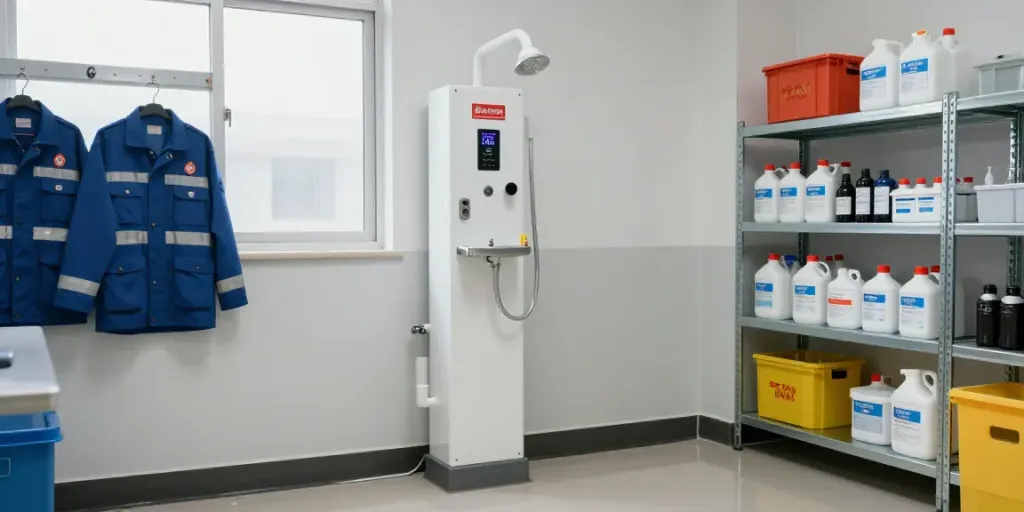
Understanding Emergency Showers and Eye Wash Stations
In environments where hazardous materials are handled, the presence of safety equipment such as emergency showers and eye wash stations is vital. These installations serve as critical first-responder tools to protect workers from the effects of chemical exposure. For instance, a Notdusche für Gefahrstofflager can be the difference between a minor incident and a life-altering injury. This article aims to provide a comprehensive understanding of emergency showers, their requirements, and best practices for implementation and maintenance.
What is a Notdusche für Gefahrstofflager?
A Notdusche, or emergency shower, is an essential safety feature designed to provide immediate decontamination for personnel who have been exposed to harmful substances. Typically found in laboratories and industrial settings, these showers deliver a robust flow of water to wash away hazardous materials from the skin and clothing quickly. The use of emergency showers is mandated by various safety regulations to ensure the health and safety of employees who work with dangerous chemicals.
Importance of Compliance with Safety Standards
Compliance with safety standards is crucial when it comes to emergency showers. Regulations, such as those set forth by OSHA (Occupational Safety and Health Administration) and ANSI (American National Standards Institute), provide guidelines on the proper design, installation, and maintenance of emergency showers and eye wash stations. Adhering to these standards not only ensures the safety of workers but also helps organizations avoid legal liabilities and potential penalties.
Key Features and Functionality of Emergency Showers
Emergency showers come equipped with several key features designed to enhance their effectiveness. These include:
- Flow Rate: A minimum flow rate of 20 gallons per minute is recommended for effective decontamination.
- Activation Mechanism: Showers should have a hands-free activation mechanism to allow for easy access in an emergency.
- Temperature Control: To prevent hypothermia or burns, water temperature should be maintained within a safe range.
- Accessibility: Showers must be easily accessible and located within a moment’s reach of potential hazards.
Selecting the Right Safety Shower for Your Facility
The selection of the appropriate safety shower is vital for ensuring compliance and worker safety. Consider the following factors when making your choice:
Environmental Considerations for Installation
Understand the environment in which the emergency shower will be installed. For instance, an outdoor shower may require additional features to withstand weather conditions, while indoor installations may need to adhere to different safety protocols. The location should also facilitate quick access in case of an emergency.
Customizing Your Safety Shower Solutions
Customization options are available to tailor safety showers according to specific needs. This could include enhancements such as:
- Adjustable spray patterns for different situations
- Integrated illumination for low-light environments
- Alarms or indicators to signal when the shower is in use
Evaluating Different Brands and Models
When evaluating various brands and models of emergency showers, consider their adherence to safety regulations, warranty options, and customer reviews. Engaging with vendors who offer comprehensive product documentation can simplify the selection process and ensure you choose a reliable solution.
Implementation and Maintenance Strategies
After selecting the right emergency shower for your facility, the following implementation and maintenance strategies are crucial:
Best Practices for Installation
Ensure that installations comply with relevant standards. It is advisable to work with certified professionals who can assess and oversee the installation process. Additionally, adequate training for personnel on how to use the emergency shower effectively can make a significant difference in emergency situations.
Regular Maintenance and Inspection Protocols
Regular inspections and maintenance of emergency showers are critical to ensure they function correctly when needed. This includes:
- Monthly checks to ensure proper flow rates
- Annual servicing by certified technicians
- Documenting maintenance activities for regulatory compliance
Common Pitfalls and How to Avoid Them
Avoid common pitfalls such as neglecting regular maintenance or disregarding the importance of proper training for personnel. Keeping detailed records of inspections and maintenance not only helps in compliance but also assists in identifying areas for improvement.
Regulatory and Legal Requirements
Adherence to regulatory requirements is essential in promoting workplace safety and avoiding legal ramifications.
Understanding OSHA and ANSI Regulations
Emergency showers must comply with specific OSHA and ANSI regulations, which dictate their design, installation, and maintenance. Familiarizing yourself with these regulations will help ensure that your facility remains compliant and that your employees are protected.
Documentation and Record-Keeping Practices
Proper documentation is vital for compliance and safety audits. Maintain records of installations, maintenance, user training, and inspections to demonstrate adherence to regulatory requirements. This practice can also serve as a valuable tool in risk assessment and management.
How to Stay Updated on Changing Regulations
Regularly review and update your knowledge on safety regulations as they can change. Subscribe to industry publications, attend safety seminars, and participate in professional organizations to stay informed about new developments and best practices in workplace safety.
Future Trends in Safety Equipment for 2026
The field of workplace safety is constantly evolving, with innovations aimed at enhancing safety measures and compliance.
Innovations in Emergency Shower Technology
Looking ahead, we can expect to see technological advancements in emergency shower systems. Features such as smart technology for remote monitoring and automatic maintenance notifications will help ensure that emergency showers are always in optimal working condition.
Emerging Safety Standards and Compliance
New safety standards may emerge based on recent research, which underscores the need for organizations to stay agile and adapt to these changes proactively.
Preparing for Future Workplace Safety Challenges
Organizations must anticipate and prepare for future challenges by continuously improving their safety protocols and investing in robust training for their employees. Implementing comprehensive safety programs will be key to mitigating risks associated with hazardous materials.
What are the compliance requirements for emergency showers?
Understanding and adhering to OSHA and ANSI regulations is fundamental for compliance regarding emergency showers. Facilities must ensure regular inspections, proper installation, and maintenance according to these guidelines.
Are eye wash stations mandatory in laboratories?
Yes, eye wash stations are mandatory in laboratories where hazardous chemicals are used to provide immediate relief in case of accidental splashes. Compliance with ANSI Z358.1 standards is crucial for the effectiveness of these stations.
How often should safety showers be tested?
Safety showers should undergo regular testing, typically on a monthly basis, to ensure they function correctly. This includes checking the water flow rate and inspecting the activation mechanisms.
What types of emergencies require immediate use of a Notdusche?
Immediate use of a Notdusche is crucial in emergencies involving chemical spills, burns from hot substances, or situations where workers are exposed to hazardous materials that could cause harm.
Can emergency showers be customized for different environments?
Yes, emergency showers can be customized to fit the specific needs of different environments. Factors such as location, accessibility, and specific safety requirements dictate the customization options available.